
Blog
Why Bacteriostatic Water Is the Gold Standard for Peptide Reconstitution
Feb
Bacteriostatic Water for Peptides: Why It’s the Best Choice for Reconstitution
Peptide research and laboratory studies require precision at every stage, and reconstitution is one of the most critical steps. The solution used to dissolve peptides can directly affect their stability, effectiveness, and safety. Among the available options, bacteriostatic water is widely recognized as the superior choice for peptide reconstitution, especially for long-term research applications.
Why Bacteriostatic Water Is the Preferred Option for Peptides
What Is Bacteriostatic Water?
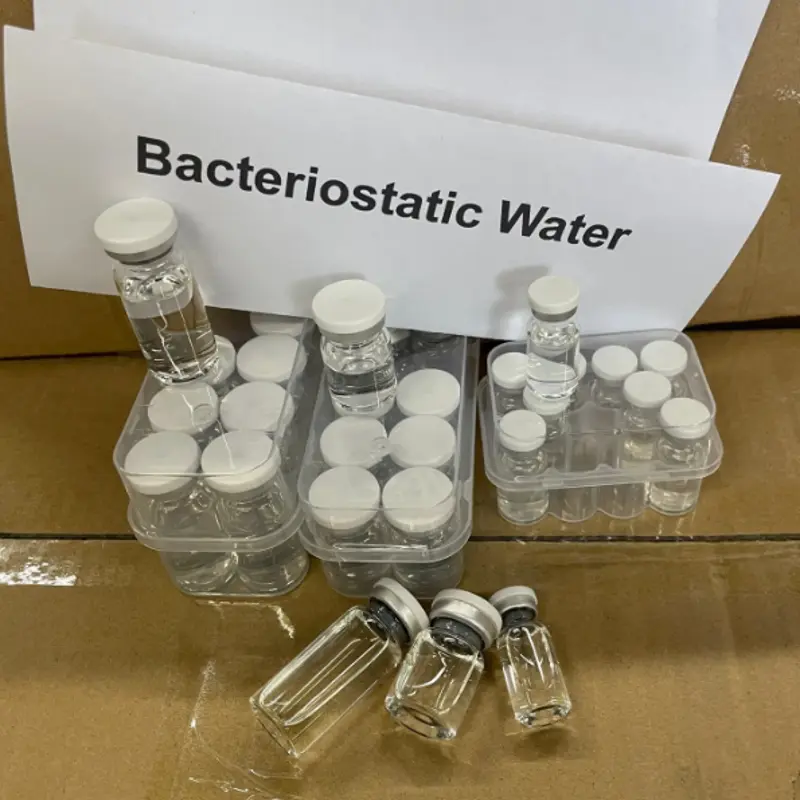
Bacteriostatic water is sterile water that contains 0.9% benzyl alcohol, a preservative that prevents bacterial growth. Its antimicrobial properties make it ideal for peptide research because it helps maintain sterility and integrity over time. Unlike sterile water, which is intended for single use, bacteriostatic water can be used multiple times within 28 days when handled correctly.
Benefits of Using Bacteriostatic Water for Peptide Research
1. Prevents Bacterial Contamination
Benzyl alcohol inhibits bacterial growth, reducing the risk of contamination in laboratory experiments.
2. Multi-Use Capability
Bacteriostatic water can be withdrawn multiple times from the same vial without compromising sterility, unlike sterile water which is single-use.
3. Enhances Peptide Stability
Maintaining peptides in a sterile, bacteriostatic environment helps preserve their structure, ensuring accurate research results.
4. Cost-Effective for Laboratories
Multi-use functionality makes it more economical than single-use solutions, especially when working with multiple peptides or long-term studies.
Comparison: Bacteriostatic vs Sterile Water vs Sodium Chloride (NaCl) Water
| Feature | Bacteriostatic Water | Sterile Water | NaCl Water (Saline) |
|---|---|---|---|
| Preservative | Yes (Benzyl Alcohol) | No | No |
| Multi-use | Yes, up to 28 days | No | Limited |
| Contamination Risk | Low | High after opening | Moderate |
| Peptide Compatibility | High | Moderate | Variable |
Applications in Peptide Research
Bacteriostatic water is essential in lyophilized peptide reconstitution. Peptides often arrive freeze-dried and require careful mixing to maintain accuracy, stability, and usability. Research applications include:
-
Peptide reconstitution for laboratory experiments
-
Biochemical and molecular studies
-
Controlled peptide dosing for in vitro research
Best Practices for Laboratory Use
To maximize safety and effectiveness:
-
Use sterile technique when handling peptides and water
-
Store that water at recommended temperatures
-
Rotate vials carefully to prevent contamination
-
Follow proper disposal guidelines after 28 days
Why It Outperforms Sterile Water and NaCl Water
Its water preservative properties, stability, and multi-use functionality make it the top choice for peptide researchers. Unlike sterile water, it minimizes bacterial contamination risk. Unlike NaCl water, it avoids unnecessary salt content that could interfere with peptide structure or activity.
Conclusion
For peptide research, choosing the right reconstitution solution is essential. Bacteriostatic water provides superior sterility, multi-use convenience, and stability, making it the best choice for laboratory peptide studies. Researchers seeking reliable results consistently choose bacteriostatic water to ensure precision and integrity in their experiments.