
Blog
Peptide Dosing & Use Guide
Feb
Peptide Dosing & Use Guide: Everything You Need to Know for Safe and Effective Results
Peptides are rapidly becoming one of the most talked-about tools in modern wellness, performance optimization, recovery, and anti-aging. From supporting muscle growth and fat loss to improving skin health and recovery, peptides offer targeted benefits that work at the cellular level.
However, one of the most important factors in achieving optimal results is understanding proper peptide dosing and correct usage.
Using peptides correctly ensures:
-
Maximum effectiveness
-
Consistent results
-
Better safety
-
Improved long-term benefits
This guide will explain everything you need to know about peptide dosing, reconstitution, administration, storage, and best practices.
What Are Peptides and Why Proper Dosing Matters
Peptides are short chains of amino acids that act as signaling molecules in the body. They instruct cells to perform specific functions such as producing growth hormone, repairing tissue, or improving skin regeneration.
Unlike traditional supplements, peptides are highly targeted. This means that correct dosing is essential for achieving the desired outcome.
Proper dosing helps:
-
Ensure consistent biological signaling
-
Prevent waste of product
-
Support predictable results
-
Maintain stability and effectiveness
Incorrect dosing may reduce effectiveness or lead to inconsistent outcomes.
Understanding Peptide Measurements
Before using peptides, it is important to understand the basic units used.
Peptides are typically measured in:
Milligrams (mg)
This is the total amount of peptide in the vial.
Micrograms (mcg)
This is the most common dosing unit.
1 mg = 1000 mcg
For example:
5 mg peptide vial = 5000 mcg total peptide
What Is Peptide Reconstitution
Most peptides come in lyophilized (freeze-dried) powder form.
Reconstitution is the process of adding a sterile liquid to prepare the peptide for use.
The most commonly used liquid is:
Bacteriostatic Water
Reconstitution allows accurate measurement and administration.
Why Accurate Reconstitution Is Important
Correct reconstitution ensures:
-
Proper concentration
-
Accurate dosing
-
Stability of the peptide
Incorrect mixing can result in inaccurate dosing.
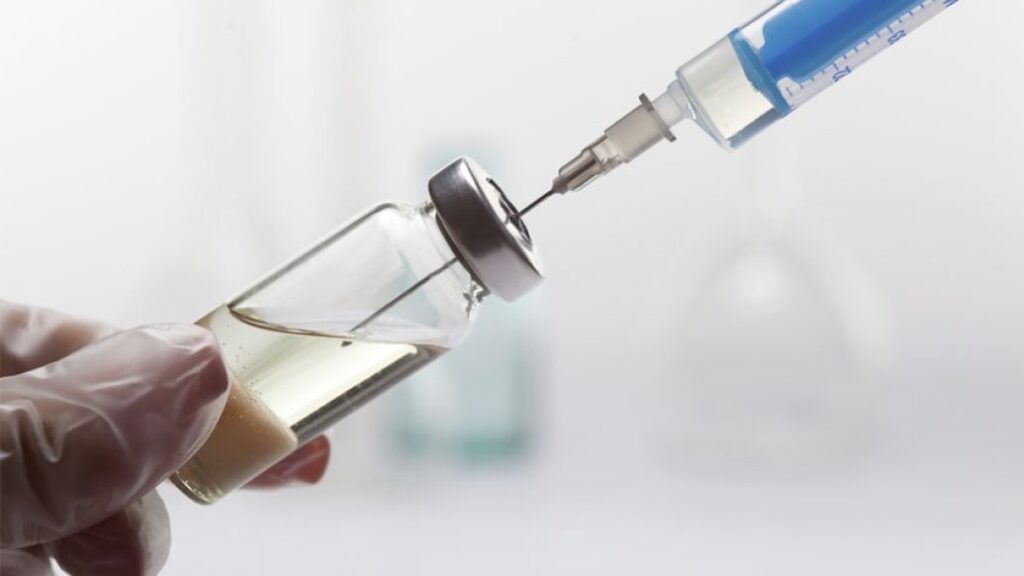
General Steps for Peptide Reconstitution
- Step 1: Clean vial tops with alcohol
- Step 2: Draw bacteriostatic water into syringe
- Step 3: Slowly inject water into peptide vial
- Step 4: Allow peptide to dissolve gently
- Step 5: Store properly in refrigerator
Avoid shaking aggressively, as this can damage the peptide.
Common Peptide Administration Methods
The most common method is:
Subcutaneous Injection
This means injecting into the fatty layer under the skin.
Common injection areas include:
-
Abdomen
-
Thigh
-
Upper arm
This method allows slow absorption.
Why Subcutaneous Injection Is Common
It provides:
-
Consistent absorption
-
Better stability
-
Ease of administration
Many peptides are designed for this method.
How Often Peptides Are Typically Used
Peptide use depends on the specific compound and purpose.
Some peptides are used:
Daily
Others:
Multiple times per day
Others:
Several times per week
Consistency is important.
Factors That Affect Peptide Dosing
Several factors influence dosing:
Body weight
Metabolism
Goals
Peptide type
Individual response
Each person may respond differently.
Importance of Consistency
Peptides work by signaling the body.
Consistent use helps maintain stable signaling.
This supports better results over time.
Timing and Peptide Use
Timing can influence effectiveness.
Some peptides are used:
Morning
Evening
Before sleep
This depends on their function.
For example, some peptides work with natural hormone cycles.
Storage Guidelines for Peptides
Proper storage is critical.
Most peptides should be stored:
Refrigerated after reconstitution
Keep between:
2°C to 8°C
Avoid heat and sunlight.
Proper storage preserves effectiveness.
How Long Peptides Last After Mixing
After reconstitution, peptides typically remain stable for several weeks when stored correctly.
Always check product guidelines.
Importance of Peptide Quality
Peptide quality plays a major role in effectiveness.
High-quality peptides ensure:
Purity
Stability
Accuracy
Low-quality peptides may produce poor results.
Benefits of Proper Peptide Use
When used correctly, peptides can support:
Recovery
Skin health
Muscle development
Fat loss
Anti-aging
Cellular repair
Results develop gradually.
Common Mistakes to Avoid
Understanding mistakes helps improve results.
Common mistakes include:
Incorrect reconstitution
Improper storage
Inconsistent use
Poor handling
Avoiding these improves outcomes.
Understanding Individual Response
Each body responds differently.
Some people notice results faster.
Others require more time.
Patience and consistency are important.
Supporting Your Body While Using Peptides
Peptides work best when combined with healthy habits.
These include:
Good sleep
Proper nutrition
Exercise
Hydration
Healthy lifestyle improves results.
Why Peptides Are Becoming So Popular
Peptides are popular because they work with the body’s natural processes.
They support optimization rather than replacement.
This makes them appealing for many people.
Peptides and Long-Term Use
Many people use peptides as part of long-term wellness strategies.
They support ongoing cellular health.
Long-term use requires consistency and proper handling.
Safety and Responsible Use
Responsible use is essential.
Proper handling, storage, and preparation are important.
Always follow appropriate guidelines.
Understanding Peptide Cycles
Some people use peptides in cycles.
This allows the body to respond effectively.
Cycles vary depending on goals.
Benefits of Understanding Peptide Dosing
Understanding dosing improves:
Results
Consistency
Efficiency
Safety
Knowledge helps maximize benefits.
The Future of Peptide Optimization
Peptides are one of the fastest growing areas in health and wellness.
Research continues to expand.
More people are using peptides to support performance and longevity.
Final Thoughts: Why Proper Peptide Dosing and Use Matters
Peptides offer powerful benefits for recovery, performance, anti-aging, and overall wellness.
However, proper dosing, preparation, and storage are essential.
Understanding these basics ensures the best possible results.
With proper knowledge and consistent use, peptides can become a valuable part of a modern optimization strategy.
