
Blog
Injectable Peptides
Feb
Injectable Peptides at Home: The “New Botox”? Or Just Hype?
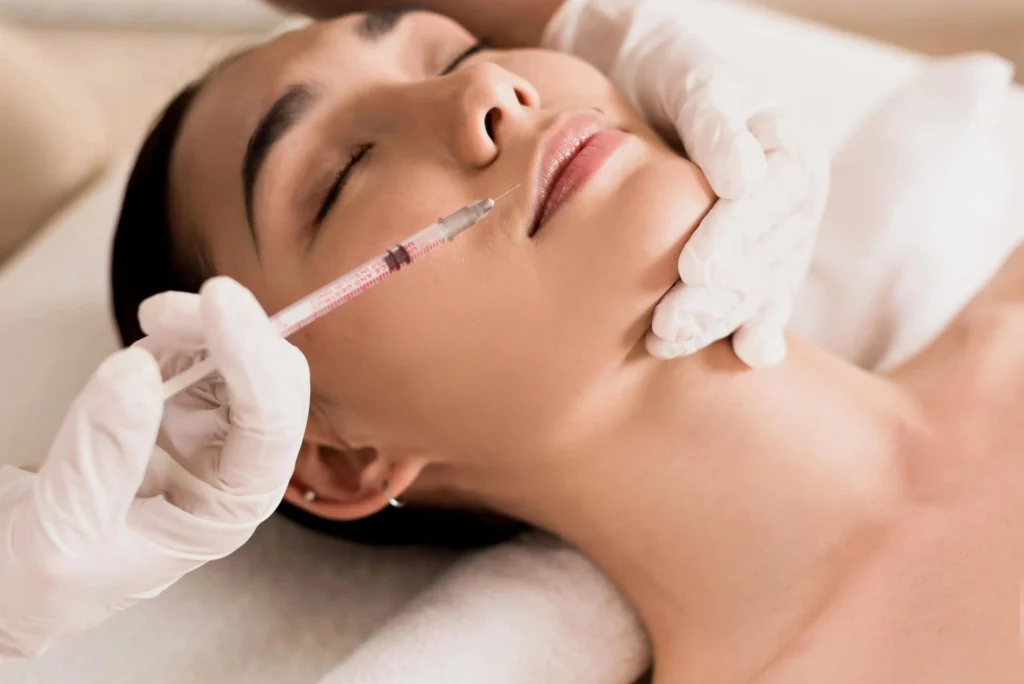
Scroll through skincare forums or wellness influencers’ pages and you’ll see bold claims: “Injectable peptides are the new Botox.” The promise is tempting—smoother skin, fewer wrinkles, and faster healing using naturally inspired molecules instead of traditional neuromodulators.
But how much of this is real science, and how much is hype?
If you’re considering injectable peptides at home, this guide breaks down what they are, how they compare to Botox, the real risks, and what you should know before even thinking about DIY peptide injections.
What Are Injectable Peptides and How Do They Work?
Peptides are short chains of amino acids—the same building blocks your body uses to create proteins like collagen, elastin, and growth factors. These proteins are essential for maintaining firm, youthful, and healthy skin.
When injected, peptides are believed to act as signaling molecules. Instead of freezing muscles like Botox, they may send instructions to your skin cells to:
-
Produce more collagen
-
Repair damaged tissue
-
Improve hydration
-
Reduce inflammation
-
Support skin regeneration
This makes peptides attractive for anti-aging, skin healing, and cosmetic enhancement.
Unlike topical peptide creams that work on the surface, injections deliver peptides deeper into the tissue, where they can potentially influence cellular activity more directly.
The Most Popular Injectable Peptides for Skin and Anti-Aging
Several peptides are frequently discussed in cosmetic and anti-aging circles. Each works differently and has varying levels of scientific support.
GHK-Cu (Copper Peptide)
GHK-Cu is one of the most researched cosmetic peptides. It plays a role in wound healing and collagen production.
Potential benefits include:
-
Improved skin firmness
-
Reduced fine lines and wrinkles
-
Enhanced skin repair
-
Improved elasticity
It’s widely used in topical skincare, but injectable use remains experimental.
Argireline (Acetyl Hexapeptide-8)
Argireline is often called “Botox in a bottle” when used in creams because it may reduce muscle movement slightly.
However, injectable Argireline is not approved for cosmetic use, and its effects are far less predictable than Botox.
BPC-157
BPC-157 is primarily known for healing and recovery benefits.
It may help:
-
Tissue repair
-
Reduce inflammation
-
Support wound healing
Some users report skin improvements, but cosmetic benefits are not its primary purpose.
Thymosin Beta-4 (TB-500)
This peptide supports tissue regeneration and healing.
Potential effects include:
-
Faster recovery
-
Reduced inflammation
-
Improved tissue repair
Again, its cosmetic anti-aging role is still being studied.
Injectable Peptides vs Botox: What’s the Real Difference?
This is where marketing often creates confusion.
Botox and peptides work in completely different ways.
Botox and Other Neuromodulators
It works by temporarily relaxing the muscles that cause wrinkles.
This leads to:
-
Smooth skin
-
Reduced expression lines
-
Fast, predictable results
Results usually appear within 3–7 days and last 3–4 months.
Botox has decades of safety data and is administered by trained professionals.
Injectable Peptides
Peptides do not freeze muscles.
Instead, they may:
-
Improve skin quality gradually
-
Support collagen production
-
Enhance repair over time
Results, if they occur, are slower and less dramatic.
Peptides are not direct Botox replacements.
They are better described as regenerative support—not muscle relaxers.
Why DIY Injectable Peptides at Home Are Risky
One of the biggest trends right now is people buying peptides online and injecting themselves at home.
This carries serious risks.
Infection Risk
Non-sterile products or improper injection technique can cause:
-
Skin infections
-
Abscesses
-
Scarring
Unknown Ingredients
Many peptides sold online are labeled “research use only.”
This means:
-
No quality guarantee
-
No purity verification
-
No safety regulation
You may not actually know what you’re injecting.
Incorrect Dosage
Too much or too little peptide can lead to:
-
No results
-
Side effects
-
Hormonal disruption
Lack of Medical Supervision
Without professional guidance, complications may go untreated.
This increases long-term risk.
Are Injectable Peptides FDA Approved for Cosmetic Use?
Currently, most peptides marketed for cosmetic injection are not approved for aesthetic use.
Some peptides exist in medical research, but widespread cosmetic approval has not happened.
This is important because approval ensures:
-
Proven safety
-
Proven effectiveness
-
Proper manufacturing standards
Without approval, safety cannot be guaranteed.
Why Botox Still Remains the Gold Standard
Despite the hype, Botox remains the most reliable injectable for wrinkle reduction.
Reasons include:
Predictable results
Quick onset
Strong safety record
Professional administration
Extensive clinical research
Peptides may support skin health, but they do not replace Botox’s wrinkle-relaxing effect.
Are Peptides Completely Useless for Skin?
Not at all.
Peptides have real potential.
But the safest and most proven ways to use peptides currently include:
Topical skincare products
Professional medical supervision
Clinically tested formulations
Topical peptides, especially copper peptides, have strong evidence for improving skin quality over time.
The Future of Injectable Peptides in Aesthetic Medicine
Research into peptides is growing rapidly.
Scientists are studying their potential for:
Anti-aging
Skin regeneration
Hair growth
Wound healing
In the future, peptides may play a bigger role in cosmetic treatments.
But for now, many uses remain experimental.
Should You Inject Peptides at Home?
Short answer: No.
Injecting peptides yourself carries unnecessary risks.
Safer alternatives include:
Professional cosmetic treatments
Topical peptide skincare
Medical consultation
Never inject substances without medical supervision.
The Bottom Line: Hype vs Reality
Injectable peptides are exciting, but they are not magic.
They are not Botox replacements.
They do not provide instant wrinkle removal.
And they are not risk-free.
Think of peptides as a promising area of science—not a DIY cosmetic shortcut.
Botox remains the most effective injectable for wrinkle reduction today.
Peptides may support skin health, but they should be used safely, responsibly, and under professional guidance.