
Blog
Best Peptides for Loose Skin After Rapid Weight Loss
Apr
Best Peptides for Loose Skin After Rapid Weight Loss
Why Rapid Weight Loss Can Lead to Loose Skin
Rapid changes in body weight often affect more than just fat mass. Skin elasticity is influenced by several biological factors including collagen structure, connective tissue integrity, and overall skin hydration.
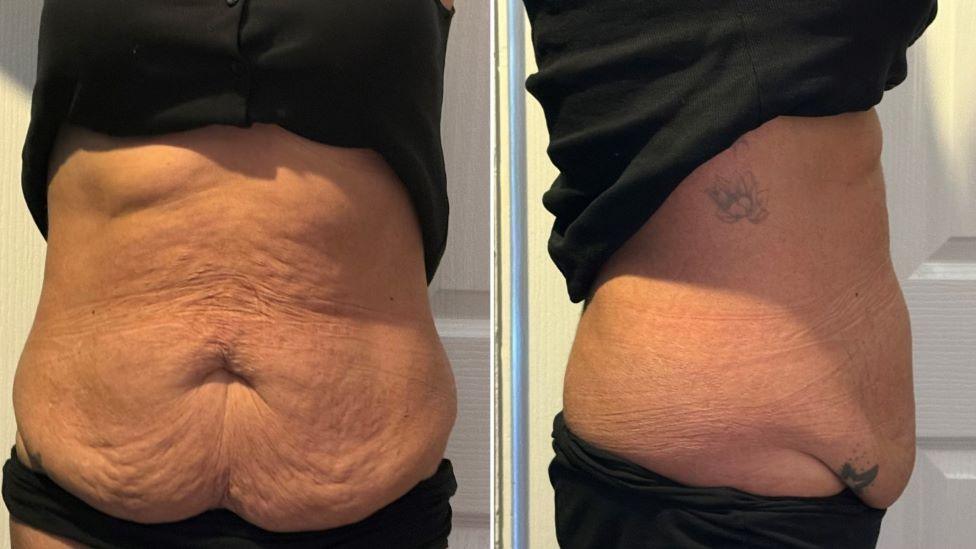
When significant weight loss occurs quickly, the skin may not always contract at the same pace. This is why loose skin is sometimes observed after major weight-loss transformations.
Researchers studying body composition frequently explore peptides that may influence tissue repair, collagen production, and skin regeneration pathways.
While these compounds are not treatments, they are often discussed in research contexts related to tissue healing and structural support.
BPC-157
BPC-157 is widely known in research circles for its role in studies involving tissue repair and recovery.
Research discussions often connect BPC-157 with:
- connective tissue healing
- collagen-related research
- tendon and ligament repair models
- wound-healing studies
Because skin elasticity depends heavily on connective tissue health, BPC-157 frequently appears in research discussions about post-weight-loss skin adaptation.
GHK-Cu
GHK-Cu is another peptide commonly mentioned in research involving skin regeneration.
This copper peptide has been studied for decades in laboratory settings where researchers examine:
- collagen synthesis
- skin remodeling
- cellular repair processes
- dermal regeneration models
Because of its strong association with skin biology, GHK-Cu often appears in research discussions around skin texture and elasticity.
TB-500
TB-500, a synthetic form of Thymosin Beta-4, is frequently studied for its role in cell migration and tissue regeneration.
Research discussions often connect TB-500 with:
- tissue repair pathways
- cellular movement during healing
- muscle and connective tissue recovery
Although not specifically studied for loose skin alone, its role in regenerative biology makes it relevant to broader tissue adaptation research.
CJC-1295 and Growth Hormone Pathways
Some research models exploring skin elasticity also involve peptides associated with growth hormone signaling.
Compounds such as CJC-1295 are sometimes studied for their influence on metabolic and regenerative pathways that may indirectly affect tissue structure.
Growth hormone signaling is known to interact with:
- collagen production
- protein synthesis
- tissue repair mechanisms
Because of these relationships, these peptides occasionally appear in body-composition and tissue-adaptation research.
Why Skin Elasticity Is a Complex Biological Process
One reason loose skin research remains challenging is that skin elasticity depends on multiple factors including:
- genetics
- age
- collagen density
- hydration levels
- rate of weight loss
Peptides studied in this context usually target specific biological pathways, but the overall outcome often depends on many interacting variables.
Final Thoughts
Research into peptides and skin elasticity continues to evolve. Compounds such as BPC-157, GHK-Cu, TB-500, and certain growth-hormone-related peptides appear frequently in laboratory discussions related to tissue repair and connective tissue biology.

