
Blog
Vesugen peptide research guide
Mar
Vesugen Peptide Research : What Scientists Are Studying About Vascular Aging
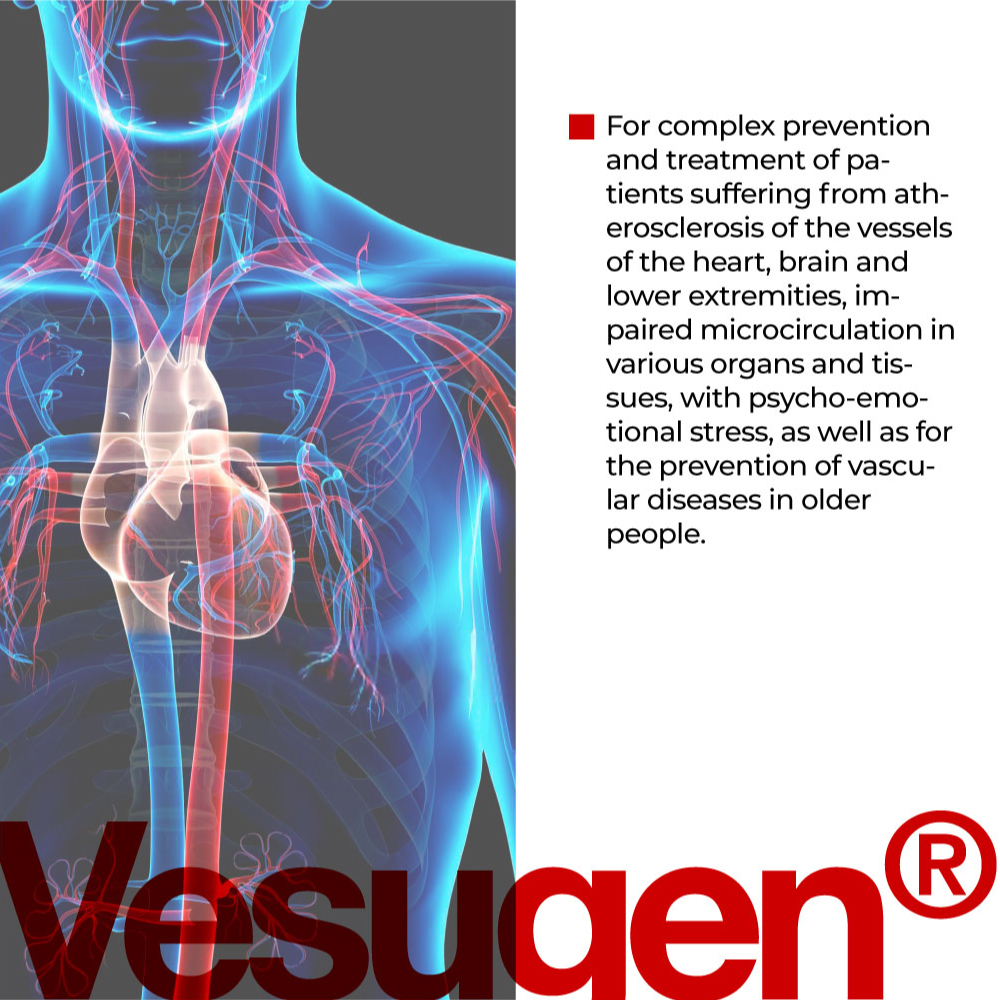
As peptide research becomes more specialized, scientists are increasingly interested in compounds that may support healthy aging at the tissue-specific level. One of the most notable examples in the bioregulatory peptide category is Vesugen, a peptide often discussed in relation to vascular health, endothelial function, microcirculation, and age-related cardiovascular decline.
Unlike mainstream peptides that focus on metabolism or recovery, Vesugen is typically explored for a more specific reason: its potential relevance in vascular aging research. Because blood vessels are central to oxygen delivery, tissue nourishment, and long-term organ function, maintaining vascular integrity is one of the most important goals in healthy aging science.
What Is Vesugen?
Vesugen is a short-chain bioregulatory peptide commonly associated with vascular and endothelial tissue research. It is generally discussed as a peptide of interest in studies related to:
- vascular aging
- endothelial cell function
- microcirculation
- tissue oxygen delivery
- capillary resilience
- age-related cardiovascular support pathways
- cellular regulation in blood vessel tissues
As a bioregulator peptide, Vesugen is not usually described in the same way as classic receptor-targeting peptides. Instead, researchers are more interested in whether it may help influence:
- gene expression patterns
- cellular behavior in vascular tissue
- resilience of endothelial structures
- age-related decline in circulatory function
In simple terms, Vesugen is often viewed as a vascular-focused anti-aging peptide.
Why Vascular Aging Is Such an Important Research Area
One of the biggest overlooked drivers of aging is vascular decline.
As blood vessels age, researchers often observe:
- reduced endothelial flexibility
- impaired nitric oxide signaling
- reduced capillary density
- weaker microcirculation
- greater oxidative stress in vessel walls
- inflammation-related endothelial dysfunction
- impaired tissue oxygen and nutrient delivery
This matters because vascular health affects nearly every organ system.
If blood flow becomes less efficient, the following may be affected:
- brain function
- heart performance
- kidney resilience
- liver tissue health
- skin quality
- muscle recovery
- metabolic stability
That is why vascular peptides like Vesugen are so relevant. In healthy aging research, maintaining circulatory quality may be just as important as targeting metabolism or cellular repair.
What Is Vesugen Studied For?
Vesugen is commonly explored in preclinical or longevity-oriented peptide discussions involving:
- vascular aging
- endothelial function
- microcirculation support
- capillary resilience
- vascular tissue regeneration
- circulatory efficiency
- cellular regulation in blood vessel tissue
- anti-aging support for cardiovascular systems
This gives Vesugen a unique place in peptide science.
It is not usually discussed as a:
- fat-loss peptide
- muscle-growth peptide
- acute injury recovery peptide
Instead, it is more often treated as a specialized longevity peptide for circulatory and vascular tissue quality.
Vesugen Mechanism of Action: What Researchers Are Interested In
As with many short-chain bioregulator peptides, Vesugen’s full mechanism is still a subject of study. However, researchers are interested in several overlapping themes.
1) Endothelial Cell Support
The endothelium is the thin layer of cells lining blood vessels. It plays a major role in:
- vascular tone regulation
- nitric oxide signaling
- blood flow efficiency
- inflammatory control
- nutrient exchange
- vessel wall health
When endothelial cells function poorly, vascular aging accelerates.
Vesugen is often studied because it may support:
- healthier endothelial signaling
- improved resilience under oxidative stress
- better maintenance of vascular cellular behavior
- preservation of age-sensitive vascular function
Why this matters:
Endothelial decline is one of the earliest and most important steps in age-related cardiovascular dysfunction.
2) Microcirculation and Capillary Function
Large arteries get most of the attention, but microcirculation is where much of tissue health is decided.
Microcirculation affects:
- oxygen delivery
- nutrient diffusion
- waste removal
- tissue repair efficiency
- organ resilience
Vesugen is frequently discussed in the context of microvascular support, especially in aging-related models where capillary efficiency declines over time.
Research relevance:
This is important because better microcirculatory support may indirectly improve:
- brain tissue nourishment
- muscle recovery quality
- skin and connective tissue vitality
- organ-level functional stability
3) Oxidative Stress and Vascular Aging
Oxidative stress is one of the main drivers of endothelial damage.
In vascular tissue, oxidative stress can contribute to:
- reduced nitric oxide bioavailability
- inflammation in vessel walls
- impaired flexibility and dilation
- tissue hypoxia
- structural decline in capillary networks
Vesugen is often studied for whether it may help support:
- vascular antioxidant resilience
- healthier endothelial response to stress
- reduced age-related decline in vessel function
This makes it relevant in broader anti-aging peptide clusters.
4) Cellular Regulation and Tissue-Specific Bioregulation
One of the defining features of peptides like Vesugen is their role in tissue-specific bioregulation.
Researchers are interested in whether Vesugen may help:
- normalize age-related gene expression shifts in vascular cells
- support tissue-specific cellular behavior
- improve communication within vascular structures
- maintain functional integrity of aging circulatory tissues
This is what separates Vesugen from general “heart health” compounds.
It is not simply a support compound. It is more often viewed as a vascular tissue regulator in research.
Vesugen and Healthy Aging Research
Vesugen is especially relevant in longevity and healthy aging research because vascular aging often determines how well the rest of the body ages.
Healthy blood vessels influence:
- cognition
- tissue repair
- organ efficiency
- endurance and recovery
- nutrient distribution
- systemic resilience
If circulation declines, many tissues age faster.
That is why a peptide that may support vascular integrity is so interesting.
In peptide research circles, Vesugen is often considered valuable because it targets a core infrastructure system of aging:
Vesugen vs Other Anti-Aging Peptides
Because Vesugen is a niche peptide, it is best understood by comparing it to other research compounds.
Vesugen vs Pinealon
Vesugen
- Vascular / endothelial / circulation focus
- More relevant to blood vessel aging
- Stronger microcirculation and vessel-health positioning
Pinealon
- Brain / CNS / neuronal aging focus
- More relevant to cognitive and neuroprotection research
- Stronger neural resilience positioning
Simplest difference:
- Vesugen = vascular aging
- Pinealon = brain aging
These two actually make a great content cluster together on Core Peptides.
Vesugen vs GHK-Cu
Vesugen
- Circulatory tissue-specific bioregulation
- Vascular aging and endothelial function
GHK-Cu
- Tissue repair and collagen remodeling
- Skin, connective tissue, regeneration emphasis
Simplest difference:
- Vesugen = vascular tissue regulation
- GHK-Cu = broader regenerative remodeling
Vesugen vs Epitalon
Vesugen
- Tissue-specific vascular support
- More targeted longevity niche
Epitalon
- Systemic longevity / telomere / anti-aging focus
- Broader lifespan and aging discussion
Simplest difference:
- Vesugen = specific vascular aging support
- Epitalon = broad longevity framework
Potential Preclinical Research Applications of Vesugen
Vesugen is commonly relevant in research models such as:
1) Vascular Aging
- endothelial decline
- age-related vessel dysfunction
- reduced elasticity and cellular performance
2) Microcirculation Support
- capillary efficiency models
- tissue oxygenation and nutrient delivery frameworks
- small-vessel aging studies
3) Cardiovascular Longevity Research
- maintenance of vascular tissue quality
- anti-aging support for circulatory systems
- resilience of vessel-lining tissues
4) Systemic Aging Models
Because circulation affects nearly everything, Vesugen may also be relevant in:
- brain aging support frameworks
- organ aging discussions
- tissue repair environments
Why Researchers Are Watching Vesugen
Vesugen may not be one of the most mainstream peptides, but that is exactly what makes it so valuable in the right research context.
It is especially compelling because it targets one of the most foundational systems in healthy aging science:
- vascular integrity
- endothelial function
- microcirculation
- circulatory tissue resilience
- age-related blood vessel decline
For researchers interested in vascular aging, Vesugen represents a specialized peptide with strong thematic relevance and high educational value.
Rather than being a broad, generic anti-aging compound, Vesugen stands out because it is specific.
And in peptide science, specificity often creates the most interesting research opportunities.
Disclaimer: This content is for educational and laboratory research purposes only. Vesugen is not approved for human consumption. Always use research compounds in accordance with applicable laws and laboratory standards.

