
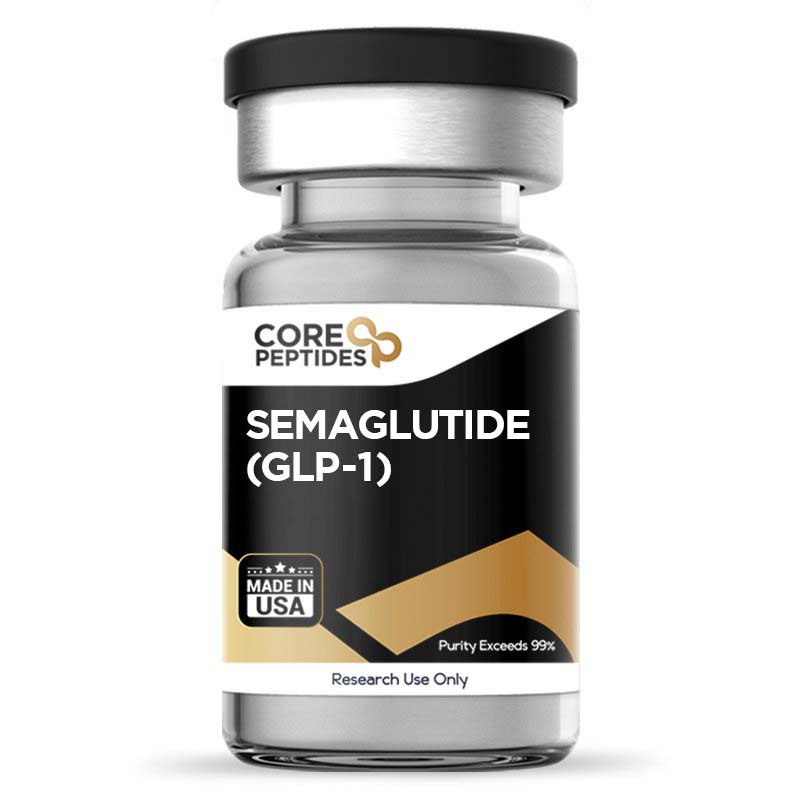
Semaglutide Peptide (3mg / 5mg / 10mg)
Semaglutide is a prescription medicine used for weight loss, type 2 diabetes management, and to reduce the risk of chronic kidney disease and major cardiovascular events in certain adult patients. Semaglutide is also used to treat metabolic dysfunction-associated steatohepatitis (MASH), without cirrhosis of the liver.
Semaglutide is a GLP-1 receptor agonist that behaves like the GLP-1 hormone that is naturally released after eating. Semaglutide works by reducing appetite, delaying gastric emptying, increasing insulin release, and lowering the amount of glucagon released.
Semaglutide is available as a weekly injection (Ozempic, Wegovy) or a daily oral tablet (Rybelsus).
Semaglutide brand names are Ozempic, Rybelus, and Wegovy, all made by Novo Nordisk. Each brand is FDA-approved for different conditions. Semaglutide FDA approval was first granted on December 5, 2017, for the brand Ozempic.
What is semaglutide used for?
Semaglutide FDA-approved uses for each brand are Ozempic (type 2 diabetes, cardiovascular event risks, chronic kidney disease), Wegovy (weight management, cardiovascular event risks, MASH, and Rybelsus (type 2 diabetes, cardiovascular event risks).
Semaglutide should be used in addition to a reduced-calorie diet and increased physical activity.
Wegovy (semaglutide) injection
- Wegovy (semaglutide) is used for weight loss and weight maintenance in patients 12 years and older with obesity.
- It is also used for reducing major cardiovascular event risks (such as heart attack, stroke, or death) in adults with type 2 diabetes with known heart disease.
- Wegovy has accelerated FDA approval for non-cirrhotic metabolic dysfunction-associated steatohepatitis (MASH) in adults with moderate to advanced liver fibrosis (consistent with stages F2 to F3 fibrosis).
- Injection is given 1 time a week under the skin of the stomach (belly), the thigh, or the upper arm, using an autoinjector (pen)
Ozempic (semaglutide) injection
- Ozempic is used to treat type 2 diabetes in adults to help control blood sugar levels, used together with diet and exercise.
- Used for reducing major cardiovascular event risks (such as heart attack, stroke, or death) in adults with type 2 diabetes with known heart disease
- Used to reduce the risk of kidney function decline, kidney failure, and death due to cardiovascular disease, in adults with chronic kidney disease (CKD) and type 2 diabetes
- Injection is given 1 time a week under the skin of the stomach (belly), the thigh, or the upper arm, using an autoinjector (pen).
Rybelsus (semaglutide) oral tablets
- Rybelsus tablets are used to treat type 2 diabetes in adults to help control blood sugar levels .
- Used for reducing major cardiovascular event risks (such as heart attack, stroke, or death) in adults with type 2 diabetes with known heart disease
- Oral tablet taken daily
- Semaglutide tablets should be used in addition to a reduced-calorie diet and increased physical activity.
What is the difference between Ozempic, Wegovy, and Rybelsus?
| Brand of semaglutide | Ozempic | Wegovy | Rybelsus |
| Form | subcutaneous injection | subcutaneous injection | tablet |
| Strength | 0.25 mg or 0.5 mg dose pen, 1 mg dose pen, 2mg dose pen. | 0.25 mg dose pen, 0.5 mg dose pen, 1 mg dose pen, 1.7 mg dose pen, 2.4 mg dose pen | R1 formulation: 3 mg tablet, 7 mg tablet, and 14 mg tablet
R2 formulation: 1.5 mg, 4 mg, and 9 mg tablets |
| Dose | weekly | weekly | daily |
| Uses | Type 2 diabetic adults to help control blood sugar levels.
Reduce the risk of major cardiac events in patients with type 2 diabetes and cardiovascular disease Reduce the risk of kidney function decline, kidney failure, and death due to cardiovascular disease in adults with chronic kidney disease (CKD) and type 2 diabetes. |
Weight loss and weight management for patients aged 12 years and older with obesity.
Reduce major cardiovascular event risks in adults with type 2 diabetes with known heart disease. Non-cirrhotic metabolic dysfunction-associated steatohepatitis (MASH) in patients with moderate to advanced liver fibrosis (consistent with stages F2 to F3 fibrosis) in adults. |
Type 2 diabetic adults to help control blood sugar levels
Reduce major cardiovascular event risks in adults with type 2 diabetes with known heart disease. |
How does semaglutide work?
Semaglutide works by:
- Stimulates insulin production in the pancreas
- Reduces sugar production in the liver
- Slows down digestion, so food stays in the stomach longer
- Decreases appetite and food intake
These combined actions help you feel full longer, eat less, and maintain better control over blood sugar levels. As a result, semaglutide supports weight loss, improves blood sugar management, and helps reduce the risk of cardiovascular events.
Semaglutide’s mechanism of action mimics a natural hormone in the body called GLP-1 (glucagon-like peptide-1), which is released after eating to help regulate appetite and blood sugar levels.
The way semaglutide works for kidney-related risk reduction is not fully understood.
Semaglutide belongs to the drug class called GLP-1 receptor agonists.
Semaglutide peptide side effects
Common semaglutide side effects
Common semaglutide side effects may include upset stomach, heartburn, burping, gas, bloating, nausea, vomiting, stomach pain, loss of appetite, diarrhea, constipation, stomach flu symptoms, low blood sugar (in people with type 2 diabetes), headache, dizziness, and tiredness.
Stomach or gastrointestinal side effects are common, but they tend to be mild and clear up in a few weeks and usually will not interfere with long-term treatment. Stomach side effects can be more common with higher doses.
Tips for managing stomach side effects
Following these tips may help you manage stomach semaglutide side effects:
- Eat more slowly
- Eat smaller meals
- Choose more bland, low-fat foods (like crackers, toast, and rice)
- Avoid eating greasy, fried foods or sugar treats
- Eat foods that contain water (like soup or gelatin)
- Do not lie down right after eating
- Drink clear or ice-cold liquids
- If possible, go outside for fresh air if you feel sick to your stomach
- Ryebelsus is not recommended in patients with severe gastroparesis.
Tips for managing low blood sugar levels (hypoglycemia) side effects
- Test blood sugar levels regularly if you are also taking diabetic medicines, including insulin or sulphonylureas (e.g., glibenclamide/glyburide, glipizide, and gliclazide) and when you increase your semaglutide dose.
- Your prescriber might reduce your dose of insulin or sulphonylureas if needed to reduce the risk of hypoglycemia
- Symptoms of low blood sugar levels include:
- feeling hungry
- feeling dizzy
- feeling anxious or irritable
- sweaty
- shaky
- tingling lips
- heart palpitations
- feeling tired or weak
- changes in your vision, such as blurred vision
- confusion
- Treatment for hypoglycemia
- Eat or drink something that will raise your blood sugar quickly for example, sugary foods or drinks, including a small glass of fruit juice or sugary fizzy drink (not diet), glucose or dextrose tablets or gel, or sugary candy.
- Check your blood sugar after 10 to 15 minutes.
- If your blood sugar is still low, have another sugary drink or snack, and check again after 10 minutes.
- Once your symptoms have improved, eat a healthy snack or meal that will keep your blood sugar up for longer and prevent another drop in blood sugar.
- Severe hypoglycemia may require a glucagon injection.
| Please select a size | 10mg, 3mg, 5mg |
|---|
Be the first to review “Semaglutide (3mg / 5mg / 10mg)”
Related products

PEPTIDES

PEPTIDES


Reviews
There are no reviews yet.